
 Latest resource
Blogs

The Nessa resource hub
Explore lighting documents, articles and news, or estimate LiFePO₄ capacity with our Battery AH Calculator.
Latest resource
Blogs
Nessa resources
Product catalogue, company profiles and lighting application documents.
For the latest specifications, please confirm with our sales team. Specifications are subject to change without prior notice.

Application documents Google Slides
Battery AH Calculator
Choosing the right capacity starts with your lighting load. Enter the wattage and voltage to estimate the LiFePO₄ battery capacity for each operating pattern.
2.5 hours at 100%, 3 hours at 50% and 7 hours at 25% equal 5.75 full-power hours across a 12.5-hour schedule.
Energy (Wh) = wattage × 5.75
Including allowance = energy ÷ 0.9
12 hours at full brightness, with a 20% energy allowance added to the lighting load.
Energy (Wh) = wattage × 12
Including allowance = energy × 1.2
Divide the energy including allowance by the battery voltage to get Ah. The two patterns use different schedules and allowances.
Required Ah = adjusted Wh ÷ voltage
Rounded Ah = round(required Ah ÷ 6) × 6
The increment uses nearest rounding, including zero for very small loads. These are capacity estimates, not a cell count or a comparison of battery chemistries.
Resource library
Explore expert insights, proven projects and practical lighting knowledge.
BlogsShowing 49–54 of 54 resources
Newest first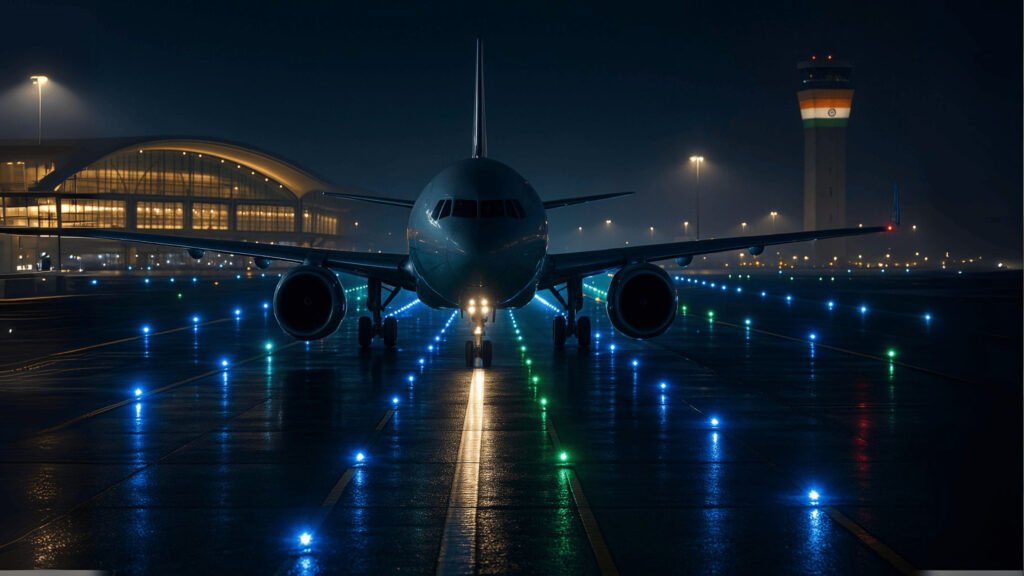 Blog
Aviation & Airport Lighting
India’s airports are upgrading to advanced LED lighting to improve safety, cut energy costs, and meet global aviation standards. Nessa Illumination Technologies delivers precision-engineered, weather-resistant solutions for runways, taxiways, and aprons—designed to thrive in India’s toughest conditions while ensuring compliance, efficiency, and future readiness.
 Blog
Industrial Lighting
Cut energy costs and boost sustainability with solar lighting solutions for Indian businesses. Learn how solar street lights, high-mast, and floodlights can save money and support India's clean energy goals.
 Blog
General Lighting
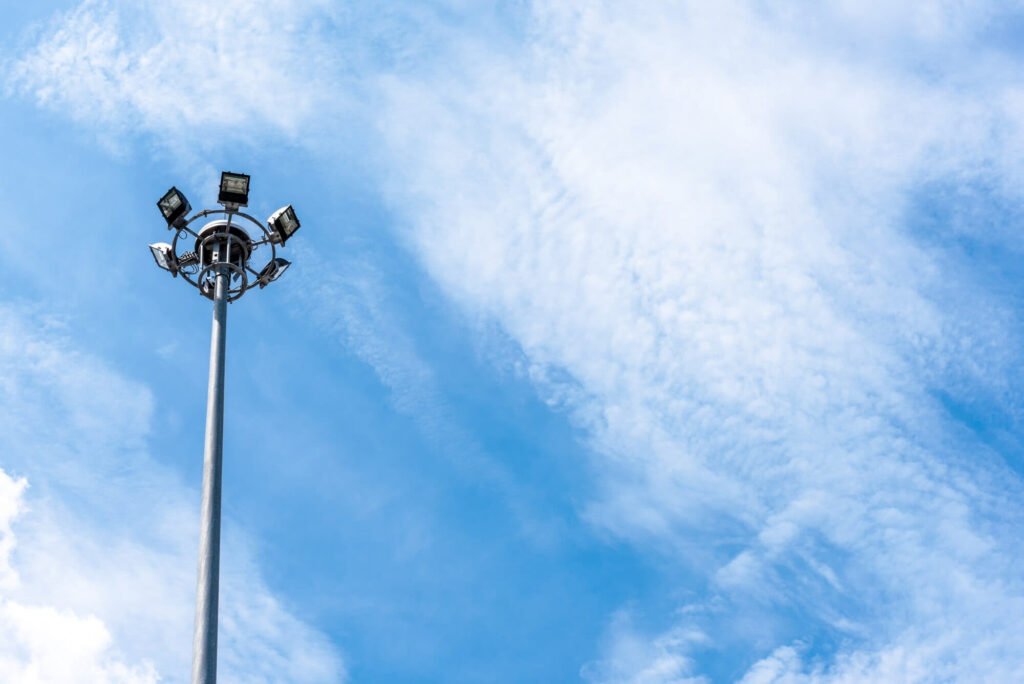
High mast lighting plays a crucial role in enhancing road safety, improving visibility, and supporting large-scale urban infrastructure projects. These towering lighting systems provide uniform illumination over highways, intersections, ports, and industrial zones, reducing accidents and operational hazards. Governments and city planners are increasingly adopting high mast lighting solutions due to their energy efficiency, durability, and ability to withstand harsh weather conditions. This blog explores the importance, benefits, and future trends of high mast lighting in shaping safer and more efficient urban spaces.
 Blog
Smart & IoT Lighting
Governments worldwide are prioritizing sustainable urban development by integrating solar and LED lighting solutions into smart city infrastructure. These advanced lighting technologies help reduce energy consumption, lower operational costs, and enhance urban safety. From smart streetlights with motion sensors to solar-powered lighting in public spaces, cities are transforming into efficient, eco-friendly, and technology-driven environments. This blog explores how government policies, incentives, and public-private partnerships are accelerating the adoption of solar and LED solutions, shaping the future of smart and sustainable cities.
 Blog
Solar Lighting
As the world moves toward a sustainable and energy-efficient future, LED and solar lighting solutions are becoming essential in reducing energy consumption and carbon footprints. These innovative lighting technologies offer high efficiency, cost savings, and environmental benefits, making them ideal for urban infrastructure, highways, smart cities, and rural electrification projects. This blog explores the rise of sustainable lighting, the benefits of LED and solar solutions, their role in environmental conservation, and future trends shaping the industry. Discover how smart lighting, AI integration, and renewable energy advancements are transforming the way we illuminate public and commercial spaces.
 Blog
Smart & IoT Lighting
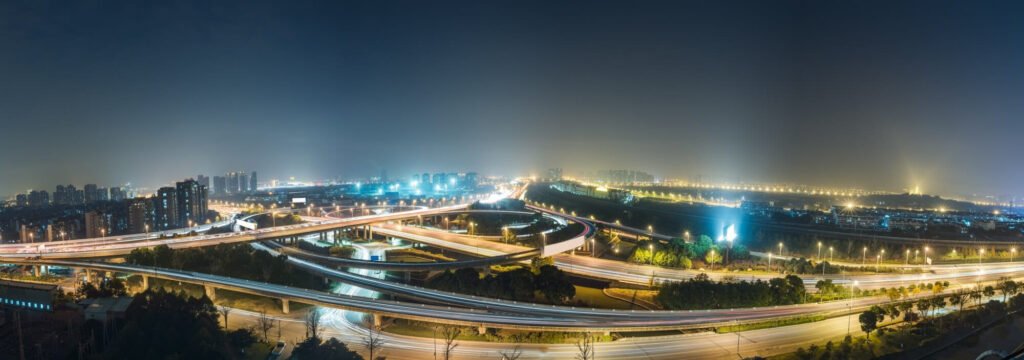
AI and IoT are revolutionizing outdoor lighting by enhancing energy efficiency, automation, and safety. Smart lighting solutions integrate real-time data to optimize brightness, reduce costs, and improve urban infrastructure. As cities adopt these innovations, they pave the way for a sustainable, connected future.
FAQs
How to get documents, design support and more from the Nessa team.
Can’t find what you need?
Our product team will point you to the right document or answer.
connect@nessa.in +91 86907 79778Send us an enquiry with the product name or model. Our team shares datasheets, photometric (IES / LDT) files, certificates and test reports, usually within one business day.
We publish new guides and insights every few weeks, covering solar and LED lighting technology, buying advice, standards and the projects we work on across India.
Yes. Share your site details and tender specification and our lighting engineers will prepare product recommendations, lux calculations and pole layouts to support your bid.
Yes. See our projects for highways, smart cities, rural electrification and industrial sites we have lit. Ask us for a detailed case study relevant to your sector.
Please do. Email connect@nessa.in with the question you would like answered and our team will consider it for an upcoming guide.
Talk to an expert
Tell us about your project and a Nessa lighting engineer will reply with advice, documents and a recommendation within one business day.